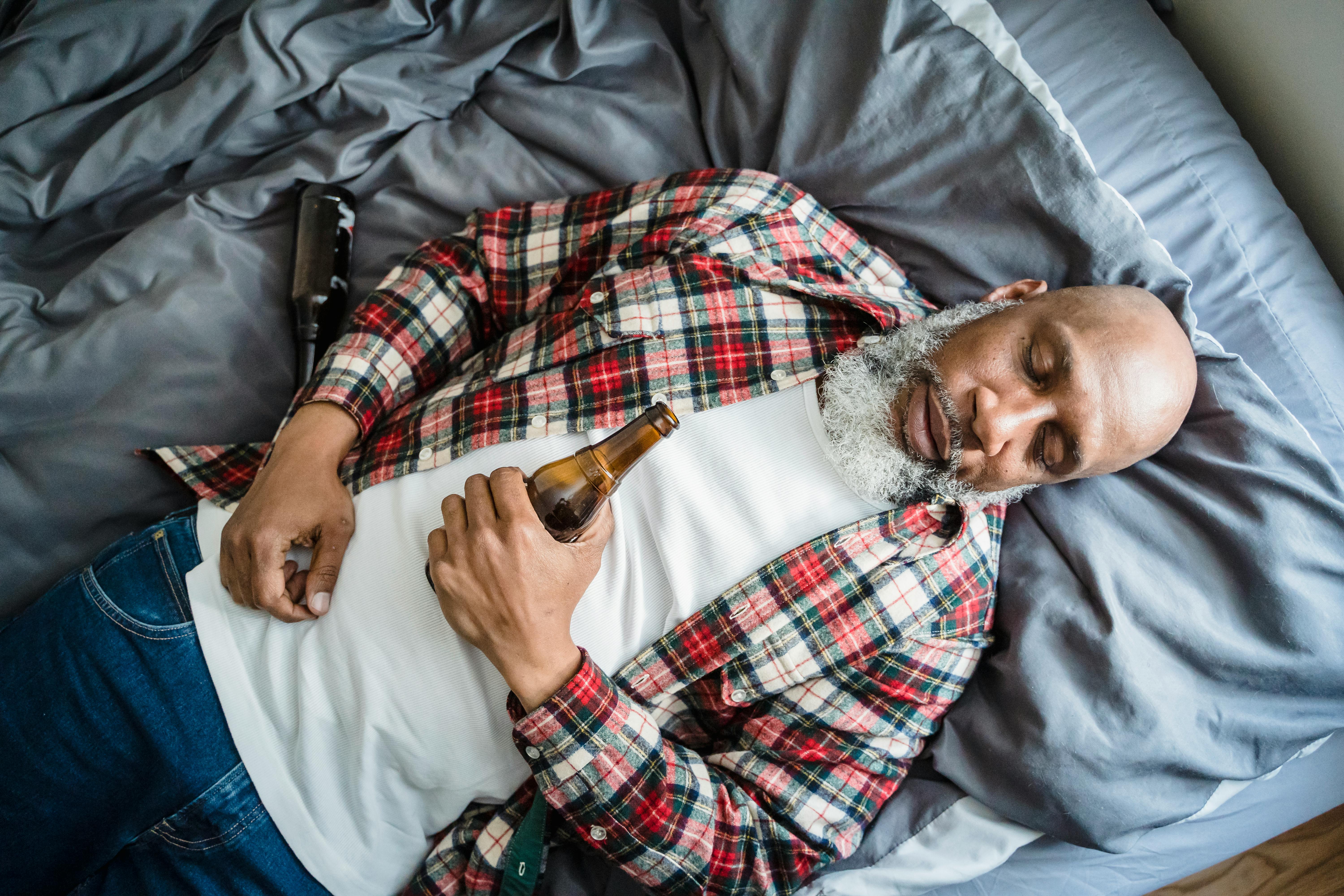
Burnout and anxiety are escalating global health concerns. Discover actionable, evidence-based self-help strategies and cost-effective wellness tools to navigate recovery, manage anxiety, and reclaim your well-being without breaking the bank. This guide offers practical comparisons of digital apps, mind-body practices, and community support for sustainable mental health.
Burnout Recovery: Self-Help Savings for Anxiety Mgmt
ADVERTISEMENT
💰 Secure Top Deal: Go straight to the offer →
📍 More from this category: Mental Health – All Articles
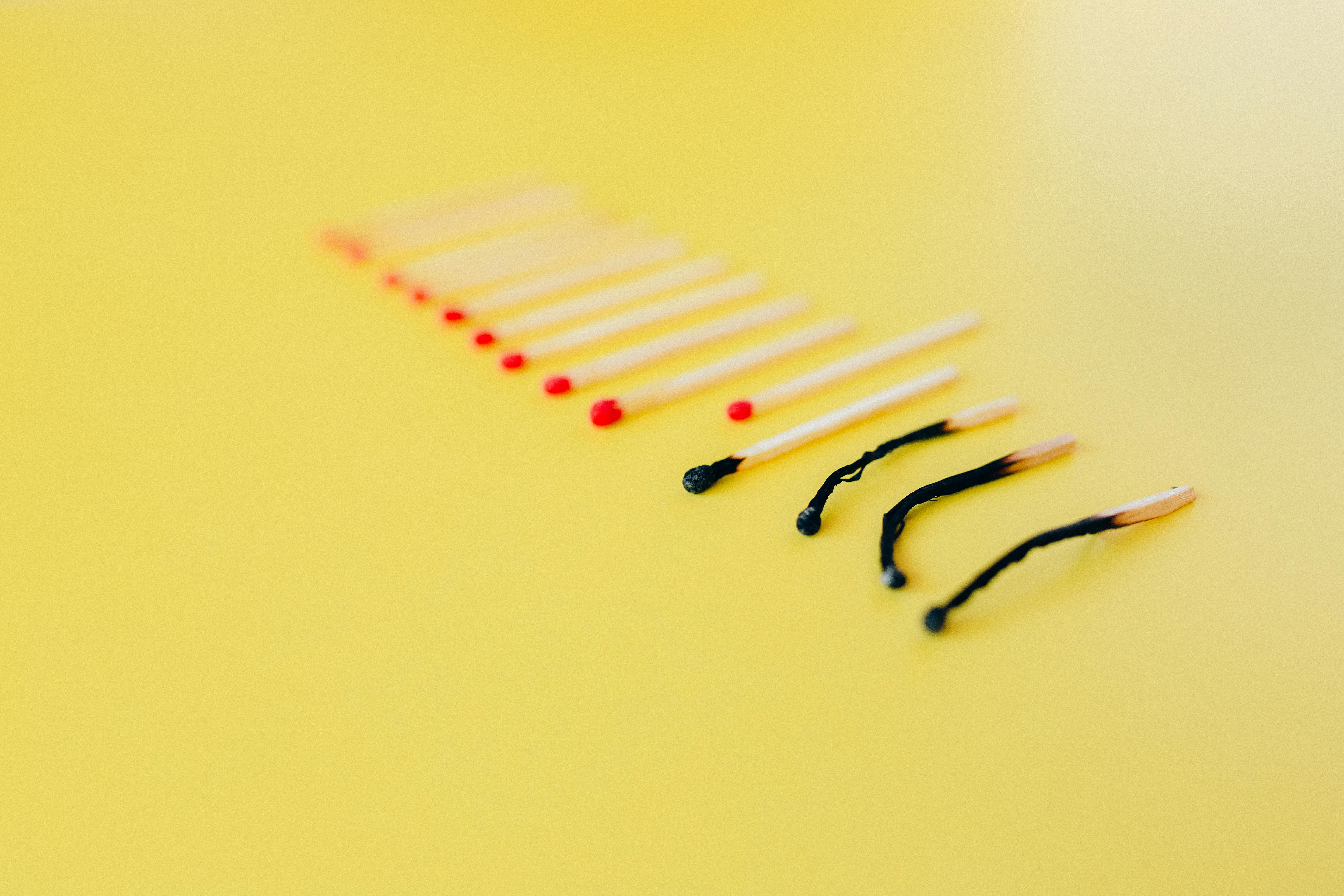
In the relentless pace of modern life, the lines between work and personal time have blurred, often leading to an insidious creep of stress that culminates in a state known as burnout. More than just feeling tired, burnout is a chronic state of emotional, physical, and mental exhaustion caused by prolonged or excessive stress. It saps your energy, dims your motivation, and can leave you feeling cynical and ineffective. Crucially, burnout rarely travels alone; it often brings a close companion: anxiety. The constant pressure, the feeling of being overwhelmed, and the inability to switch off can trigger or exacerbate anxiety disorders, creating a vicious cycle that feels impossible to escape.
The good news? Recovery is not only possible but increasingly accessible, even on a budget. In an era where professional mental health support can be costly and waitlists long, the power of self-help has never been more vital. This article from "Being Healthiest" delves into the world of burnout recovery and anxiety management, focusing on 'self-help savings' – smart, strategic investments in your well-being that deliver maximum impact without maximum expenditure. We’ll explore evidence-based approaches, compare effective tools, and chart a path towards sustainable mental health that empowers you to take control of your recovery journey.
The landscape of mental health has shifted dramatically in recent years. The World Health Organization (WHO) formally recognized burnout as an occupational phenomenon in its International Classification of Diseases (ICD-11) in 2019, highlighting its legitimacy and widespread impact. Post-pandemic, studies from organizations like the American Psychological Association (APA) indicate a significant rise in reported burnout levels across various sectors, coupled with an alarming increase in anxiety and depression diagnoses. This isn't just a corporate problem; it permeates personal lives, affecting relationships, physical health, and overall life satisfaction.
Physiologically, chronic stress and burnout activate the body's fight-or-flight response, leading to elevated cortisol levels, inflammation, and impaired immune function. Psychologically, it manifests as cynicism, detachment, reduced professional efficacy, and persistent feelings of dread or worry – classic symptoms of anxiety. The financial implications of untreated burnout and anxiety are substantial, not just for individuals through healthcare costs and lost productivity, but for economies globally. Traditional therapeutic interventions, while highly effective, can be prohibitively expensive for many, with session costs ranging from $100 to $300 or more in the USA, and varying but still significant costs in India's private sector. This financial barrier often prevents individuals from seeking the help they desperately need, perpetuating the cycle of distress.
This reality underscores the critical need for accessible, affordable, and effective self-help strategies. "Self-help savings" isn't about cutting corners on your mental health; it's about smart resource allocation. It means leveraging readily available information, low-cost digital tools, community resources, and time-honored practices to build resilience and foster recovery. By understanding the core mechanisms of burnout and anxiety, we can strategically apply self-help techniques that address these issues at their root, empowering individuals to become proactive architects of their own well-being.
Leading experts in mental wellness and occupational health emphasize a multi-faceted approach to burnout recovery and anxiety management, with a growing recognition of self-help's pivotal role. Dr. Anya Sharma, a renowned wellness consultant specializing in stress resilience, states, "The greatest shift we've seen in the mental health space is the democratization of wellness. We now understand that foundational self-care – adequate sleep, nourishing nutrition, consistent movement, and meaningful social connection – isn't a luxury; it's non-negotiable medicine. And much of it is free or low-cost."
The rise of digital wellness tools has been a game-changer. "AI-powered mental health support and mindfulness apps, once niche, are becoming mainstream," notes Professor Kenji Tanaka, a cognitive psychology researcher. "They offer structured guidance based on principles of Cognitive Behavioral Therapy (CBT) and Mindfulness-Based Stress Reduction (MBSR), making evidence-based practices available on demand. While not a substitute for clinical therapy in severe cases, for mild to moderate anxiety and burnout recovery, they provide invaluable scaffolding for self-management." The key, according to experts, is consistency and personalization. What works for one person might not work for another, necessitating an exploratory approach to find the right combination of tools and practices.
ADVERTISEMENT
Furthermore, the focus is increasingly shifting from reactive treatment to proactive prevention. Integrating micro-breaks, practicing digital detoxes, setting firm boundaries, and cultivating hobbies outside of work are no longer seen as optional perks but as essential components of a robust wellness strategy. "Thinking about self-help as a form of preventive medicine is powerful," adds Dr. Sharma. "It's about building a savings account of resilience, so when stressors inevitably arise, you have the resources to draw upon, rather than constantly operating from a deficit." This expert consensus reinforces that self-help is not a lesser alternative but a powerful, accessible, and often cost-effective pathway to sustained mental well-being.
Navigating the vast landscape of self-help tools can be daunting, especially when prioritizing both effectiveness and affordability. Here, we present a comparison of top self-help categories for burnout recovery and anxiety management, designed to offer significant 'self-help savings' without compromising on quality or impact.
The smartphone in your pocket can be a powerful ally in your recovery. Apps like Calm, Headspace, and Balance offer guided meditations, sleep stories, and breathing exercises. For anxiety management, apps incorporating CBT principles, such as MoodKit or Woebot, provide structured exercises to challenge negative thought patterns. Many offer free introductory content or limited free tiers, with premium subscriptions typically ranging from $10-$70 annually. These apps provide convenience, privacy, and access to a wide library of resources, making consistent practice easier to integrate into daily life.
These time-tested practices are often free or very low-cost and leverage the intrinsic connection between mind and body.
- Yoga & Mindfulness: Numerous free YouTube channels (e.g., Yoga With Adriene, Boho Beautiful) offer high-quality yoga and mindfulness sessions suitable for all levels. A yoga mat is a one-time, affordable purchase.
- Journaling: A simple notebook and pen are all you need. Journaling helps process emotions, identify triggers, and track progress. Prompts can be found online for free.
- Nature Therapy (Forest Bathing/Earthing): Spending time outdoors, whether it's a walk in a park, gardening, or simply sitting under a tree, has profound stress-reducing benefits. This is entirely free and incredibly effective for grounding and perspective.
Human connection is a potent antidote to burnout and anxiety, which often foster feelings of isolation. Online forums dedicated to mental health (e.g., Reddit communities like r/burnout, r/Anxiety) offer a space for sharing experiences, seeking advice, and finding solidarity. While not professional therapy, peer support can provide validation and practical coping strategies. Locally, many communities offer free or low-cost support groups (e.g., NAMI support groups, local meditation circles). The cost here is primarily time and the courage to engage, but the return on investment in terms of reduced isolation and shared wisdom is immense.
Knowledge is power, especially when it comes to understanding and managing your mental health.
- Books: Self-help books on CBT, mindfulness, and stress management (e.g., "Feeling Good" by David D. Burns, "The Body Keeps the Score" by Bessel van der Kolk) offer deep insights and practical exercises for a one-time purchase. Libraries are an excellent free resource.
- Podcasts: Numerous free podcasts (e.g., "The Happiness Lab," "Ten Percent Happier," "Therapy for Black Girls") deliver expert interviews, guided meditations, and relatable discussions on mental health topics.
- Free Online Courses/Webinars: Platforms like Coursera, edX, or even university extensions sometimes offer free or audited courses on mindfulness, stress reduction, or positive psychology.
Here's a comparison table to help you weigh your options:
The future of burnout recovery and anxiety management is bright, with innovation focusing on even greater personalization, integration, and accessibility. By 2026, we anticipate several key trends shaping self-help savings:
ADVERTISEMENT
These trends point towards a future where sophisticated, yet affordable, self-help tools are not just available but are intricately woven into the fabric of daily life, making sustained well-being a more attainable goal for everyone.
Burnout and anxiety are formidable challenges, but they are not insurmountable. The journey to recovery is deeply personal, yet it doesn't have to be isolating or financially draining. By embracing the principles of 'self-help savings,' you empower yourself with a diverse toolkit of effective, evidence-based strategies that prioritize your mental well-being without compromising your financial health.
Whether you choose the structured guidance of digital wellness apps, the grounding wisdom of mind-body practices, the solace of community support, or the empowering knowledge from educational resources, the most crucial step is to begin. Start small, be consistent, and allow yourself grace as you explore what resonates most with you. Remember, investing in your mental health is not an expense; it is the most profound and valuable investment you can make. It's an investment in your energy, your relationships, your productivity, and ultimately, your capacity to live a full, vibrant, and healthy life. "Being Healthiest" encourages you to take that first step today, knowing that sustainable well-being is within your reach.
👉 More News: Burnout Recovery: Budget Tips for Anxiety Management
📩 Being Healthiest Newsletter
Get weekly health tips and wellness guides. Subscribe free.
About Dr. Ananya Patel
Editor and trend analyst at Being Healthiest. Observes the most important developments worldwide every day.
ADVERTISEMENT
Related Health Articles