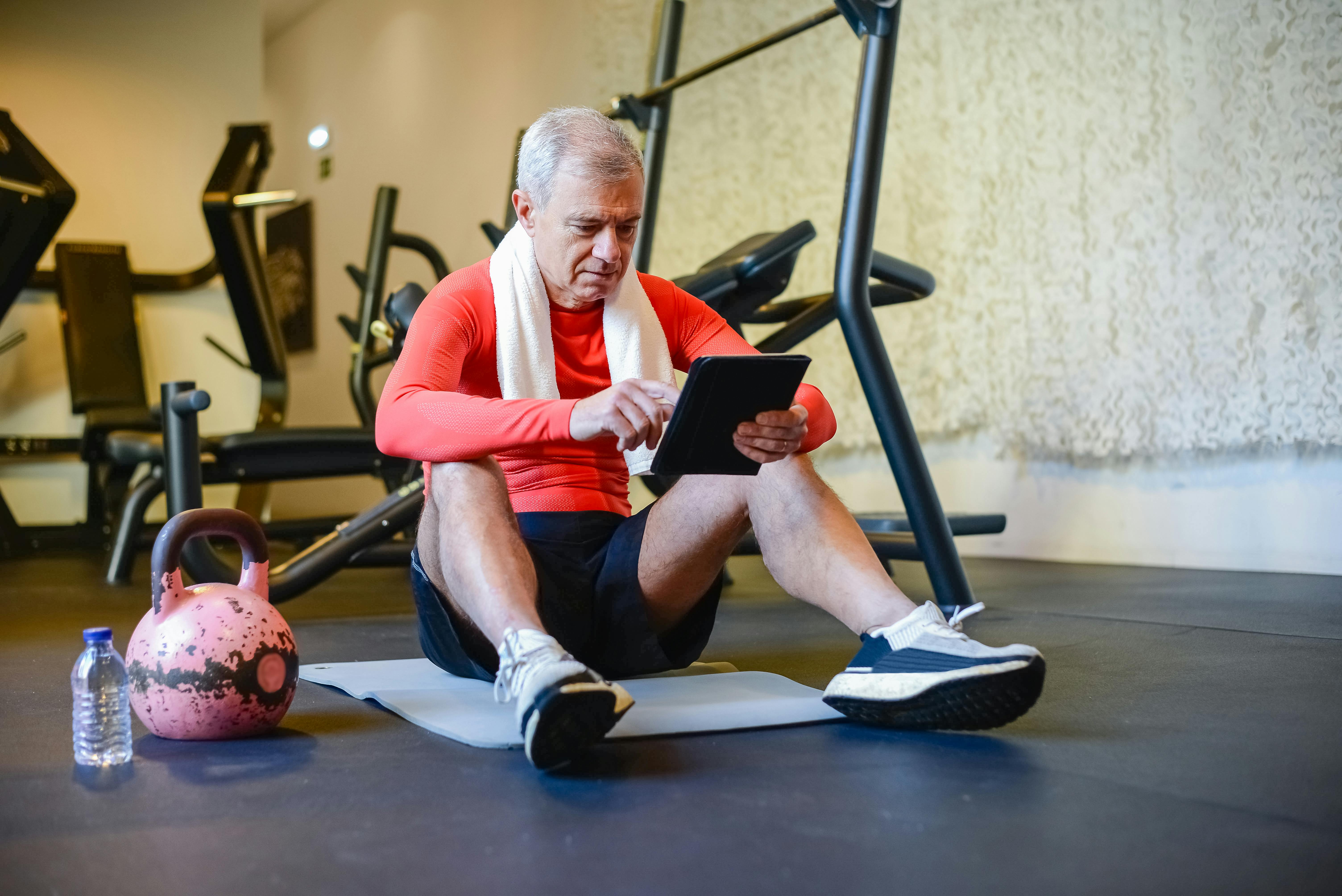
Navigating the 2026 fitness landscape: A detailed cost breakdown comparing advanced strength training apps and traditional gyms. Discover which option offers the best value for your wellness goals, budget, and lifestyle, with insights into personalization, equipment access, and community support in both the USA and India.
Strength Training Apps vs. Gym: 2026 Cost Breakdown
ADVERTISEMENT

💰 Secure Top Deal: Go straight to the offer →
📍 More from this category: Fitness & Exercise – All Articles
In 2026, the pursuit of optimal health and physical resilience continues to be a cornerstone of modern living. Among the myriad wellness practices, strength training has solidified its position not just for aesthetic appeal, but as a critical pillar for longevity, metabolic health, bone density, and mental well-being. From preventing age-related muscle loss (sarcopenia) to boosting mood and cognitive function, the benefits are undeniable. However, the path to building strength has diversified dramatically, presenting a crucial dilemma for health-conscious individuals: Do you invest in the cutting-edge convenience of strength training apps, or commit to the tangible environment of a traditional gym?
This article delves into a comprehensive financial and practical comparison of these two dominant fitness avenues in 2026. We will dissect the costs, explore the unique advantages and disadvantages, and offer actionable insights to help you make an informed decision tailored to your specific needs, whether you're in a bustling metropolis in the USA or a growing city in India. Our goal is to empower you with the knowledge to choose a sustainable, effective, and budget-friendly strength training solution that fits seamlessly into your life, maximizing your wellness investment.
The fitness industry has undergone a seismic shift, accelerated by technological advancements and evolving consumer preferences. By 2026, strength training is no longer just for bodybuilders; it's recognized by health organizations worldwide as essential for everyone, regardless of age or fitness level. This understanding has fueled innovation in how we access and execute our workouts.
On one side, we have the phenomenal rise of fitness technology. Strength training apps in 2026 are far more sophisticated than their predecessors. They leverage advanced Artificial Intelligence (AI) to create hyper-personalized workout plans that adapt in real-time based on performance, recovery data from wearables, and even mood inputs. Many integrate seamlessly with smart home gym equipment, offer augmented reality (AR) for form correction, and provide vast libraries of exercises with detailed video demonstrations. For users in India, app developers have increasingly localized content, offering programs tailored to traditional Indian dietary patterns and cultural preferences, alongside multi-language support. In the USA, the focus is often on seamless integration with broader digital health ecosystems and high-fidelity virtual coaching.
On the other side, traditional gyms have not stood still. Facing competition from digital platforms, they have evolved to offer more than just equipment. Many gyms in 2026 feature state-of-the-art biometric tracking systems, offer hybrid memberships that include access to their proprietary digital platforms, and emphasize community-building through specialized group classes (e.g., powerlifting clubs, functional fitness bootcamps). Boutique studios focusing on specific training modalities (e.g., Olympic lifting, strongman training) have also proliferated, offering specialized equipment and expert coaching. For both USA and India, gyms have invested heavily in creating hygienic, motivating environments, with a renewed focus on air quality and sanitation protocols that became paramount during the early 2020s.
Economically, 2026 sees a continued global emphasis on the subscription economy. Consumers are accustomed to recurring payments for services, making both app subscriptions and gym memberships familiar models. However, inflation and varying disposable incomes across regions mean that value for money remains a critical consideration. The cost of living in major US cities can significantly inflate gym membership prices, while in India, the growth of the middle class has led to a wider spectrum of gym offerings, from budget-friendly options to premium facilities.
"The choice between a strength training app and a traditional gym in 2026 boils down to more than just the monthly fee," explains Dr. Lena Gupta, a leading Sports Economist and Wellness Strategist based out of Mumbai. "It's about understanding your personal value proposition. Are you paying for convenience, community, specialized equipment, or expert supervision? Each offers a distinct return on investment."
ADVERTISEMENT
According to Dr. Gupta, for individuals prioritizing flexibility and privacy, apps present an unparalleled solution. "The AI-driven personalization we see in 2026 apps is incredibly sophisticated. They can mimic a personal trainer's adaptive programming to a significant extent, especially for those with foundational knowledge of exercise form. However, where apps often fall short is in real-time, hands-on form correction for complex lifts, which is crucial for injury prevention and maximizing gains."
Professor Mark Chen, a Sports Science Analyst at the University of California, Berkeley, adds, "The psychological aspect is often overlooked. For many, the physical act of going to a gym, being surrounded by others with similar goals, and having dedicated equipment creates a powerful sense of accountability and motivation. This 'social contagion' of fitness can be a strong driver for adherence, especially for beginners or those who struggle with self-discipline." He also points out that while apps offer virtual communities, they rarely replicate the immediate, tangible camaraderie of a physical gym floor or a group class.
From a preventative health standpoint, both experts agree that consistency is paramount. "The 'best' option is the one you will consistently adhere to," states Dr. Gupta. "An expensive gym membership you rarely use is a poor investment, just as a feature-rich app you don't open won't deliver results. It's about finding a sustainable model that integrates into your lifestyle." Professor Chen emphasizes the importance of starting with proper form, regardless of the platform. "If an app user isn't confident in their form, investing in a few in-person sessions with a certified trainer to learn the basics can be an excellent hybrid approach."
The experts also highlight regional nuances. In the USA, the market for high-end boutique gyms and specialized equipment is robust, catering to a segment willing to pay a premium for niche experiences. In India, while premium gyms are growing, there's also a significant demand for value-for-money options, and the home fitness market (driven by apps) is expanding rapidly due to convenience and often lower perceived entry barriers. The availability and cost of home gym equipment also vary significantly between the two regions, impacting the overall cost-effectiveness of an app-based approach.
To truly understand the financial implications, let's break down the costs and offerings of strength training apps versus traditional gyms in 2026, considering both the USA and India markets.
By 2026, strength training apps have become highly sophisticated digital ecosystems. They offer adaptive programming, vast exercise libraries, progress tracking, and often integrate with biometric data from wearables. Many provide virtual coaching, nutrition guidance, and even mindfulness modules. The core appeal is flexibility, allowing users to train anywhere, anytime.
Traditional gyms in 2026 offer a dedicated space with a full range of equipment, from free weights and resistance machines to cardio equipment. They provide a structured environment, access to certified trainers, and often a strong sense of community through group classes and shared spaces.
Here's a detailed comparison table:
The fitness landscape in 2026 is dynamic, and several trends are shaping its future:
ADVERTISEMENT
In 2026, the choice between strength training apps and traditional gyms is not about one being definitively superior to the other; it's about finding the optimal fit for your individual needs, financial situation, and lifestyle. Both avenues offer robust pathways to achieving your strength and wellness goals, but they cater to different preferences and priorities.
If you value flexibility, privacy, and have a good degree of self-motivation, a premium strength training app, coupled with a smart initial investment in home equipment, can be an incredibly cost-effective and powerful tool. The advanced AI and personalized programming available today offer a high level of guidance, making it an excellent choice for consistent, independent trainers. For those in India, localized app content and competitive pricing further enhance this appeal.
Conversely, if you thrive on structure, require access to heavy or specialized equipment, benefit from in-person expert supervision, and are motivated by a sense of community, a traditional gym membership is likely your best bet. While often carrying a higher recurring cost, the comprehensive facilities and social environment can provide invaluable support and motivation, particularly for beginners or those tackling advanced lifts. For Americans, the vast array of gym types, from budget to boutique, offers ample choice.
Ultimately, the most effective strength training solution is the one you will commit to consistently. Before making a decision, we recommend assessing your personal goals, realistic budget, available time, and your preference for social interaction versus solitude. Consider trying a free trial of a few apps or taking advantage of guest passes at local gyms to experience both worlds firsthand. Remember, investing in your strength is investing in your long-term health and vitality. Choose wisely, stay consistent, and embrace the journey to a stronger, healthier you.
👉 More News: STOP! Your 2026 Home Strength Training Needs These Tips
📩 Being Healthiest Newsletter
Get weekly health tips and wellness guides. Subscribe free.
Editor and trend analyst at Being Healthiest. Observes the most important developments worldwide every day.
ADVERTISEMENT
Related Health Articles